


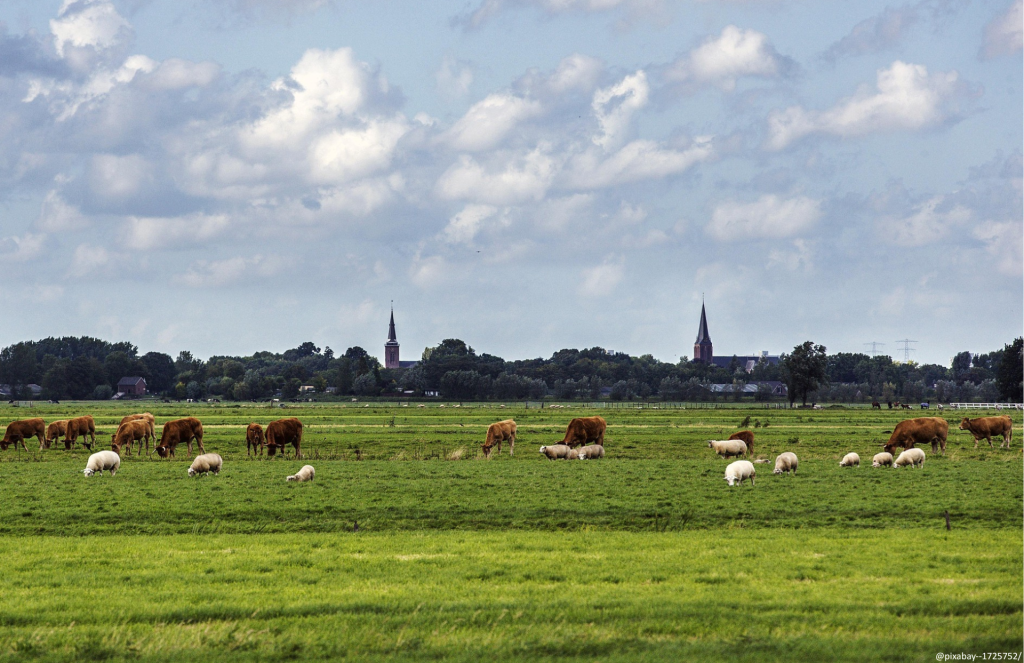
Animal welfare, efficiency and sustainability
Animal welfare and sustainable farming practices are key concerns for consumers and European regulations. Society’s expectations are changing, demanding greater transparency, respect for animals and sustainability in production methods. Farmers must balance economic performance with respect for living creatures.
To this end, new practices are emerging: automated milking, smart buildings, personalised feeding, sustainable farming practices that take greater account of animal welfare, etc.
However, this evolution comes with many challenges: integrating these new practices into farms requires investment, skills development and, in some cases, a change in business model. Ultimately, the entire agri-food value chain must adapt to ensure efficient, sustainable production that respects animals, is acceptable to consumers and is compatible with current environmental and health issues.
Potential applications
- Precision feeding strategies to optimise animal performance
- Design of smart buildings designed to reduce energy consumption
- Improved feed efficiency using a connected feeder
Digital agriculture and artificial intelligence
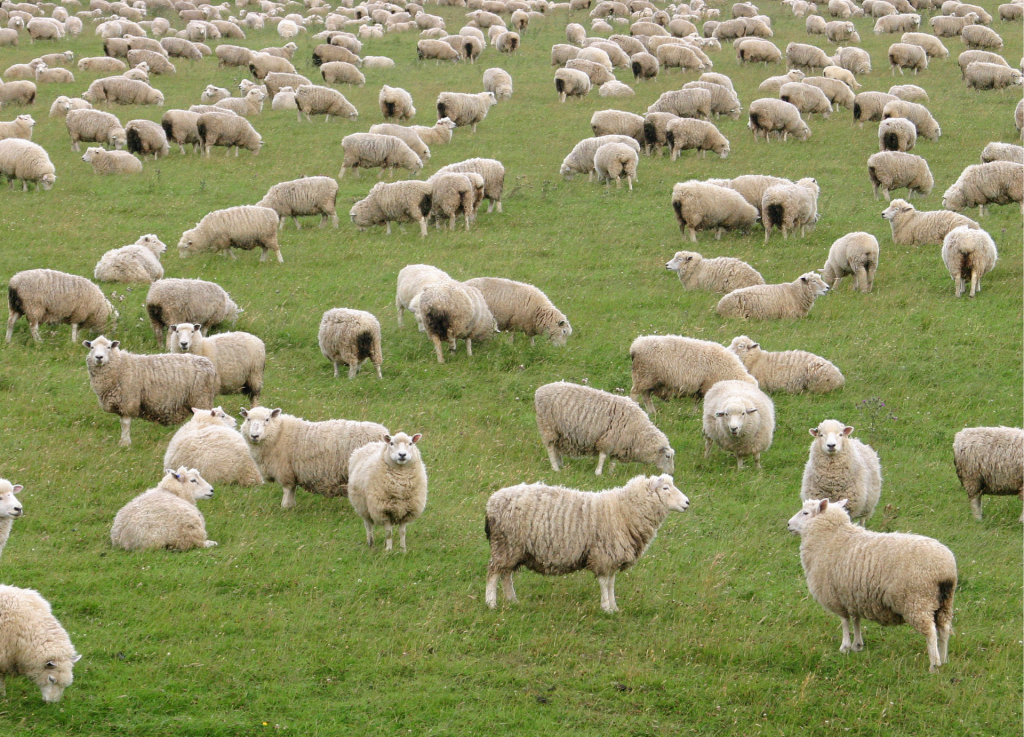
Digital technology is transforming agriculture by providing concrete solutions to challenges in performance, sustainability and animal welfare. By facilitating livestock management, optimising resources and improving traceability, it helps farmers move towards more efficient and responsible production that meets society’s expectations.
Thanks to the convergence of digital technology and AI, Carnot F2E supports more sustainable, efficient and animal-friendly agriculture, responding to the current and future challenges facing the livestock sector.
Potential applications
- Development of mobile applications that enable vaccination tracking,
- Implementation of video surveillance and individual monitoring through image analysis to assess animal welfare,
- Installation of connected sensors that enable animal activity tracking,
- Development of predictive analysis tools (in terms of growth, milk production, etc.).

Genetics and reproduction
In a context of high expectations for animal production (sustainability, profitability, respect for animal welfare, food quality, adaptation to climate change), it is crucial to optimise selection strategies.
Carnot France Futur Élevage is at the forefront of innovation in this field, supporting projects aimed at modelling the variability of key traits for the agroecological transition of livestock farms. These projects make it possible to better characterise the genetic determinism of new traits in order to promote health, welfare and improve production efficiency.
Researchers at Carnot France Futur Élevage are developing tools for fine and high-throughput phenotyping (sensors, imaging, videos, audio recordings, biomarkers, signal processing) and genome characterisation (sequencing, genotyping chips, epigenomics, metagenomics, new polymorphisms). These tools enable the collection and analysis of accurate data on animal characteristics, facilitating more targeted and effective selection. These new strategies are also based on modelling: modelling interactions between traits and combined interactions between the genome, the environment and breeding practices on the one hand, and modelling the role of microbiota and epigenetic marks in trait variability and transmission on the other.
This research provides a better understanding of the influencing factors and identifies selection strategies to breed more robust animals that are better able to withstand climate variations, heat stress and emerging diseases, thereby ensuring the stability and resilience of farms.
Potential applications
- Development of digital tools to characterise genetic and phenotypic variability,
- Predicting animal performance using genomics for traits of interest in breeding and epigenomics,
- Development of new fertility indicators to select the best breeding stock,
- Innovative management of genetic diversity to promote population resilience
Animal health
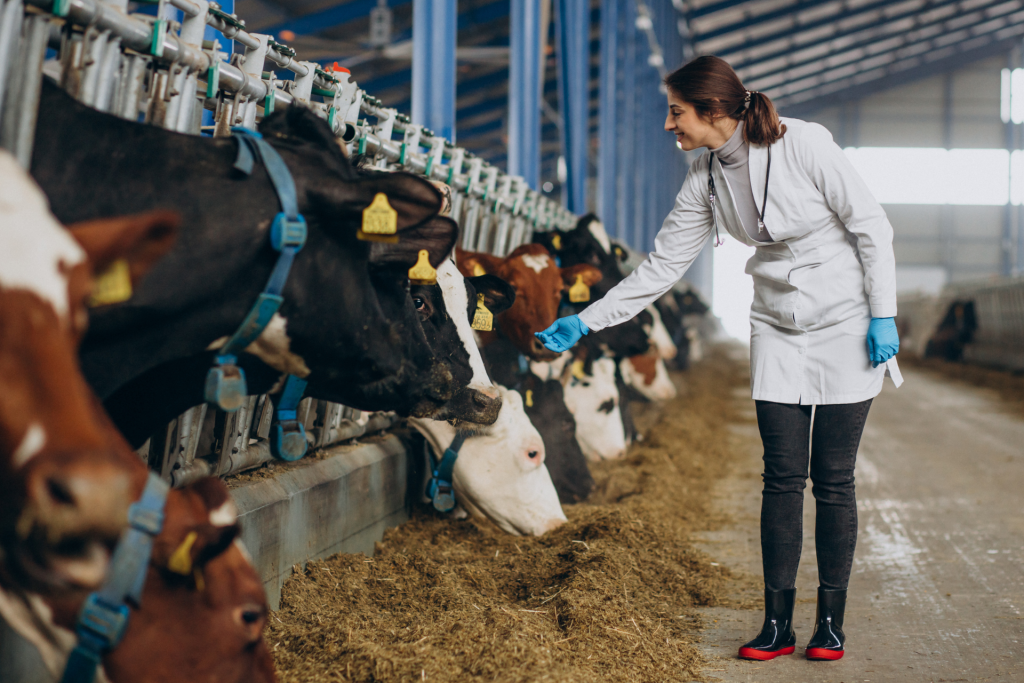
Animal diseases not only threaten public health, but also have a significant impact on the productivity and profitability of farms. Epidemics, for example, can cause considerable economic losses, directly affecting farmers’ livelihoods and compromising food security at local and global levels.
The Carnot F2E brings together the expertise of its member entities to develop innovations covering the entire health management chain. This involves strengthening immunity (vaccines, nutrition and health, genetic selection), developing alternatives to antibiotics, innovating in early diagnosis (biomarkers, sensors), and integrated health management at the farm and regional levels. These approaches make it possible to reduce economic losses, limit health risks for humans and animals, and build more resilient livestock farming systems.
Potential applications
- Development of specific vaccines for emerging virus
- Validation of genetic markers for resistance to a parasite
- Detection of respiratory viruses using an automated collection device
- Deployment of an innovative method for assessing the immune status of animals for better disease prevention
Analysis of socio-economic developments in livestock farming
Understanding the factors driving socio-economic changes in livestock farming is essential in order to anticipate transformations in the sector and respond to them in a sustainable manner. Between growing societal expectations (animal welfare, environmental impact, product quality), economic challenges (price volatility, international competition, viability of livestock farming models, attractiveness of professions) and the needs of players in the agri-food sector (traceability, market segmentation, competitiveness), livestock farming finds itself at the crossroads of ethical, economic and cultural debates.
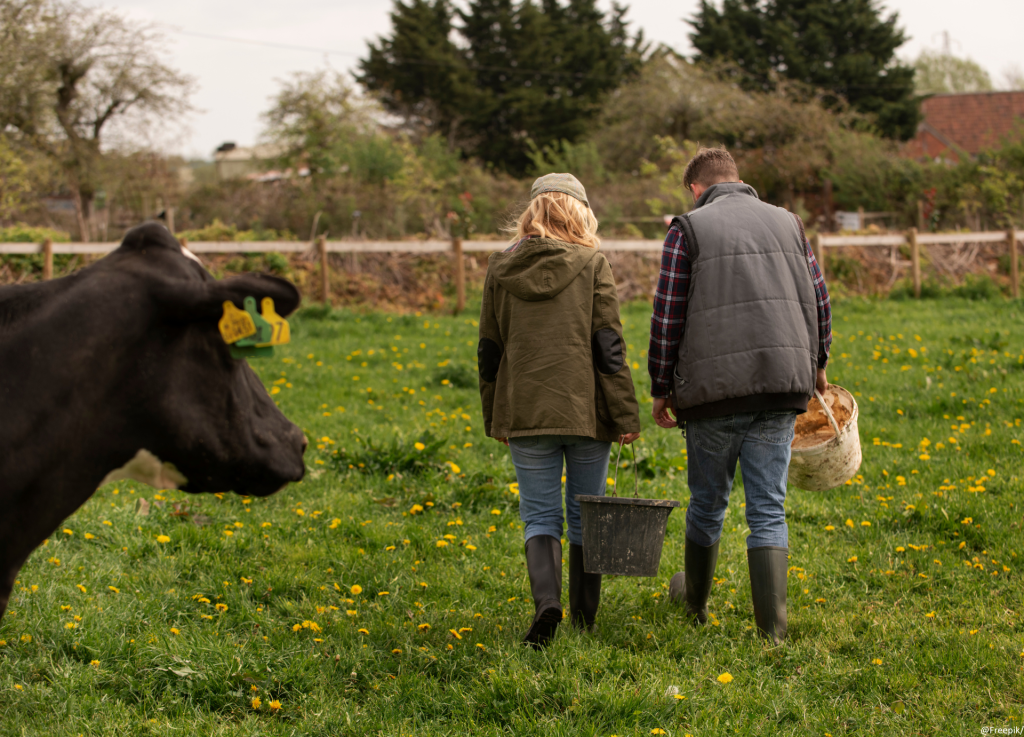
Analysing these dynamics helps to guide policy choices, adapt public policies and support the transition to more sustainable systems that are accepted and valued by society.
Potential applications
- Understanding consumer expectations according to the purchasing situation through targeted consumer surveys.
- Implementing a specific protocol to anticipate and limit the risks associated with the farming profession.
- Carrying out communication campaigns to reinforce the positive image of farming among the general public, highlighting its values, social utility and environmental commitments.
Our Projects
